
Statement balance vs current balance
Updated
Your statement balance is what you owed when the billing cycle closed. Your current balance is everything you owe right now, including purchases made after the closing date. Paying the statement balance in full by the due date is usually enough to avoid interest on purchases, because most cards give a grace period until the due date.
The numbers on a card account
- Statement balance: the total on the closing date, printed on the statement.
- Current balance: the statement balance plus newer charges, minus payments and refunds since.
- Minimum payment: the least you can pay to keep the account in good standing. Interest is charged on what remains.
- Available credit: your limit minus the current balance.
Closing date and due date
The closing date ends a billing cycle; the statement is created from everything posted up to that day. The due date is when payment for that statement must arrive. In the United States, the CARD Act requires issuers to deliver the statement at least 21 days before the due date, and the due date falls on the same day each month.
An example cycle
| Date | Event | Balance |
|---|---|---|
| 5 April | Cycle closes | Statement balance $1,240 |
| 8 April | New purchase $60 | Current balance $1,300 |
| 1 May | Due date: pay $1,240 | Current balance $60 |
| 5 May | Next cycle closes | Statement balance $60 |
Example dates and amounts show the method only.
Which balance should you pay
Pay the statement balance in full by the due date. Paying the current balance also works and simply pays newer purchases early. Paying only the minimum leaves a balance that is charged interest, and on many cards it also removes the grace period on new purchases until you pay in full again. Your card agreement lists the exact terms.
Why the closing date matters for a budget
A purchase made the day before closing lands on this month's statement; one made the day after lands on next month's. Record spending by purchase date, and use the statement to confirm it, so each month's budget reflects when you spent.
Card cycles in Fullgrove
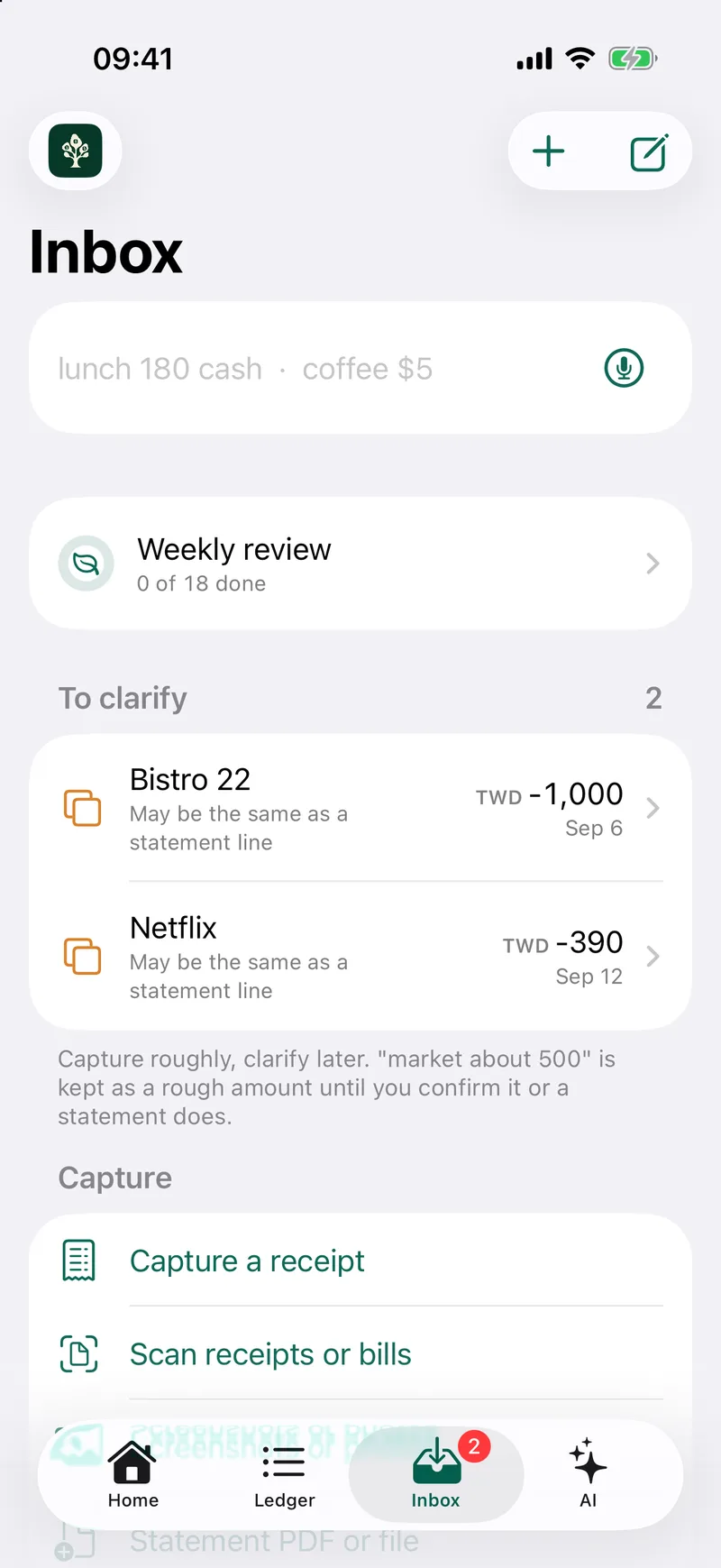
Each card shows where it is in its cycle: “spent so far, closes in 12 days” before closing, then “statement closed, due in 18 days”. Share the statement PDF when it arrives, even a locked one, and the whole period is imported and checked against the printed totals. A card alert and the statement line for the same purchase become one row. The card payment can be a scheduled payment with a reminder before it is due.
Read your card cycle
- Find the closing date and the statement balance on your latest statement.
- Note the payment due date.
- Schedule a payment of the full statement balance before the due date.
- Record new purchases by purchase date; they appear on the next statement.